



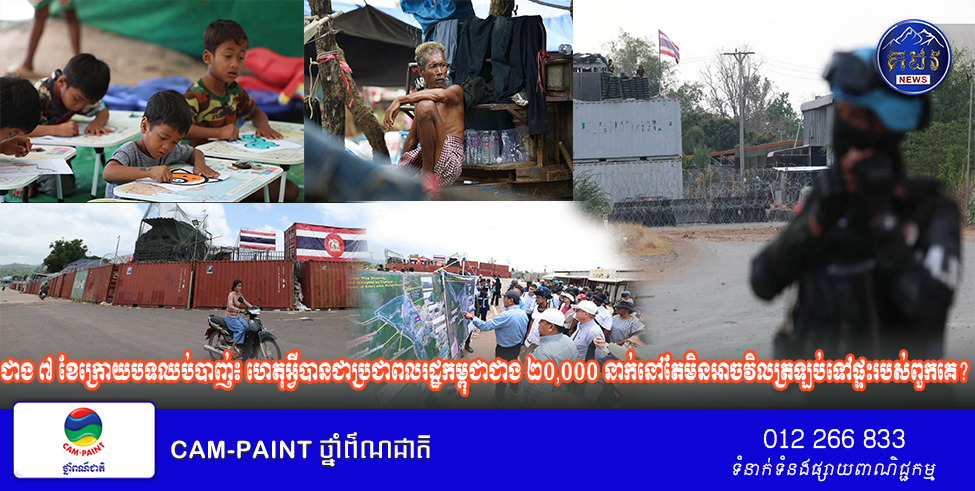
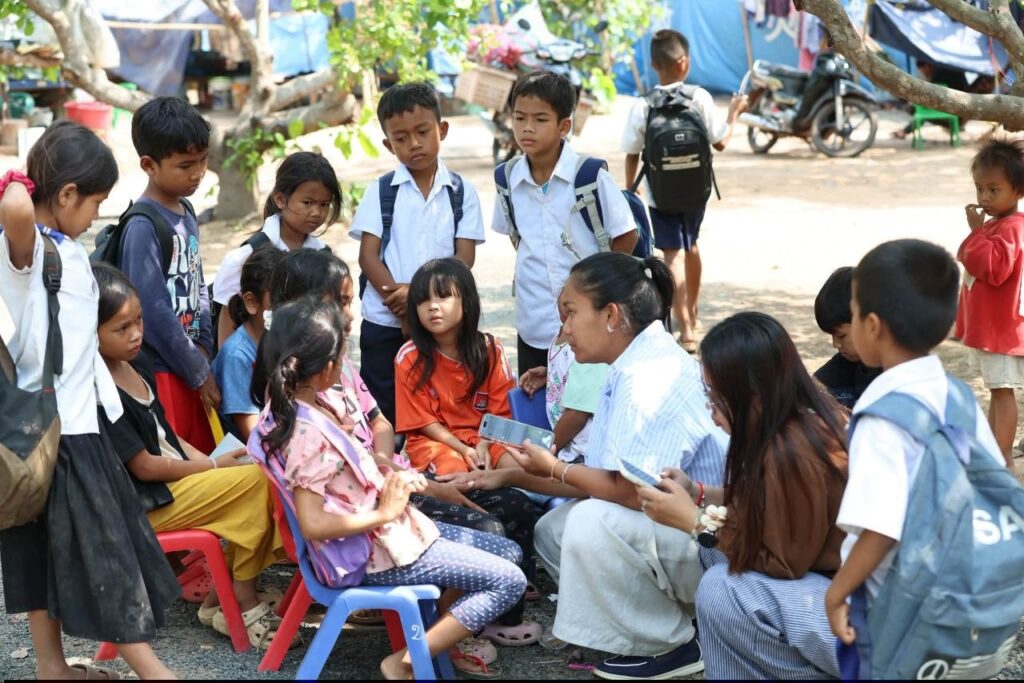
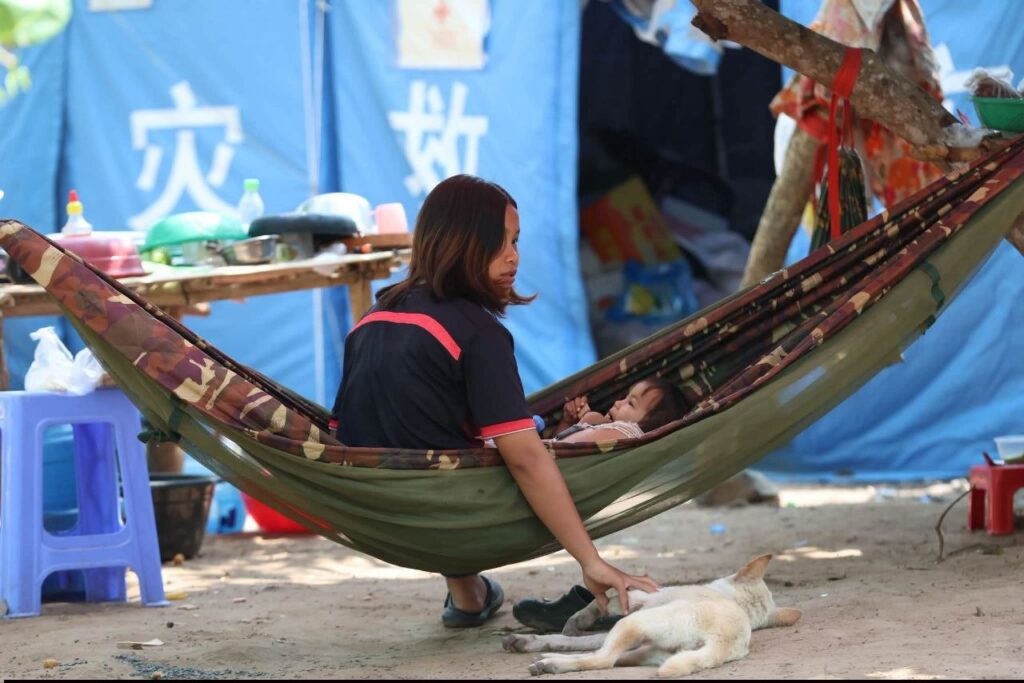
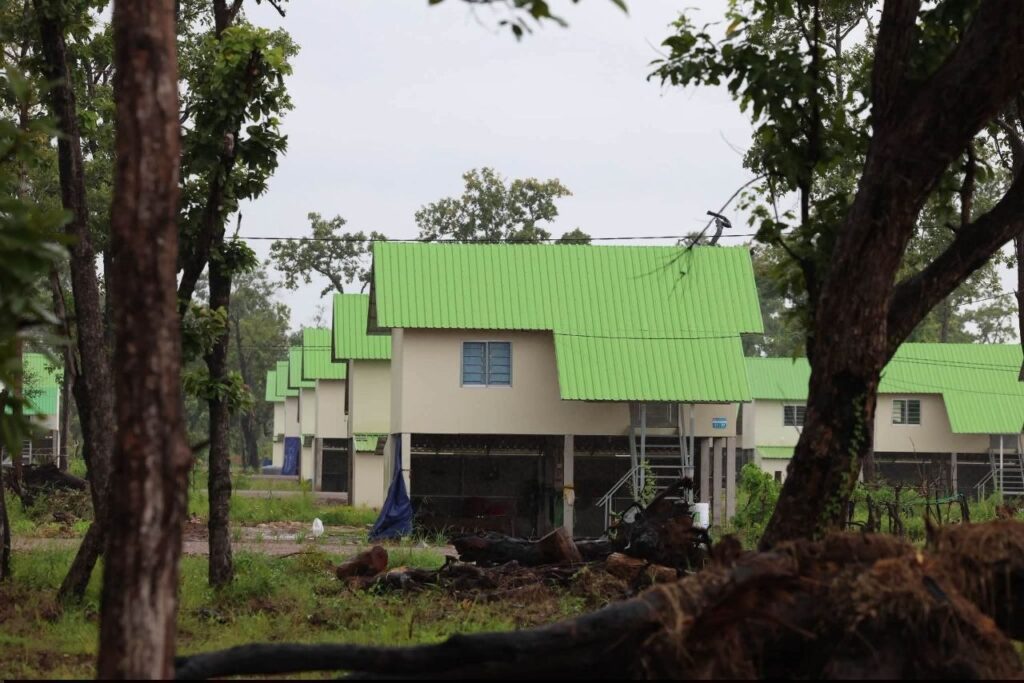
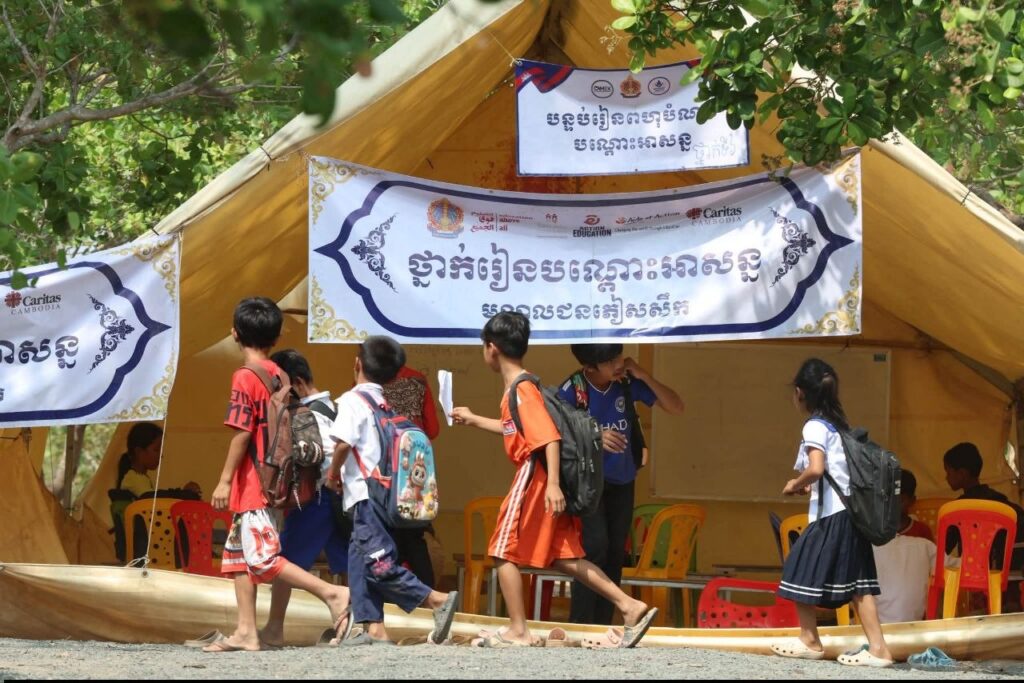
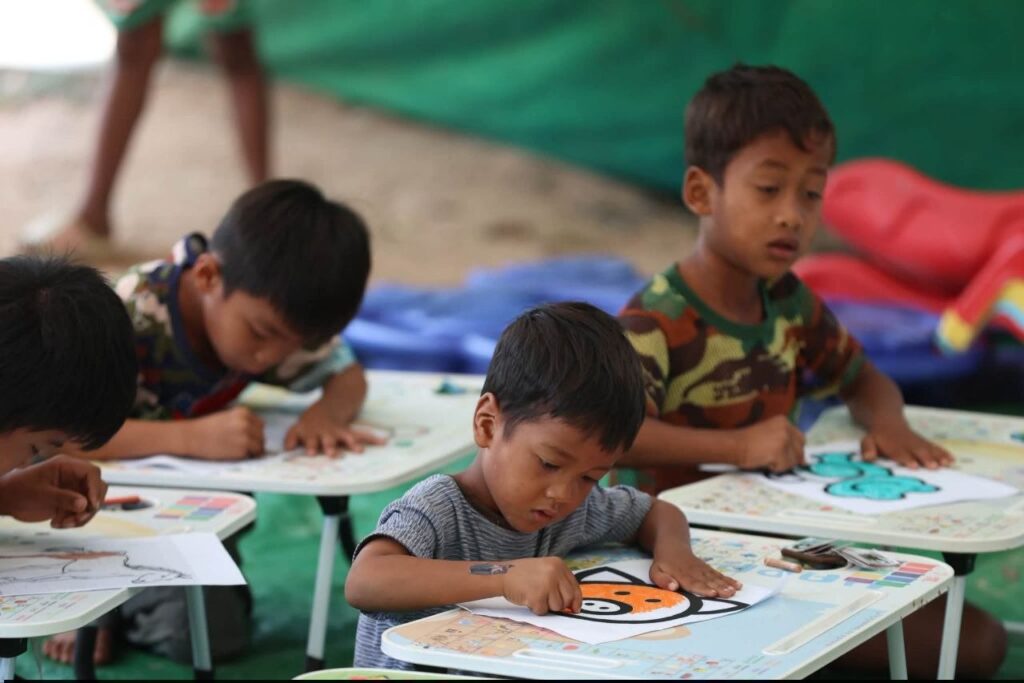
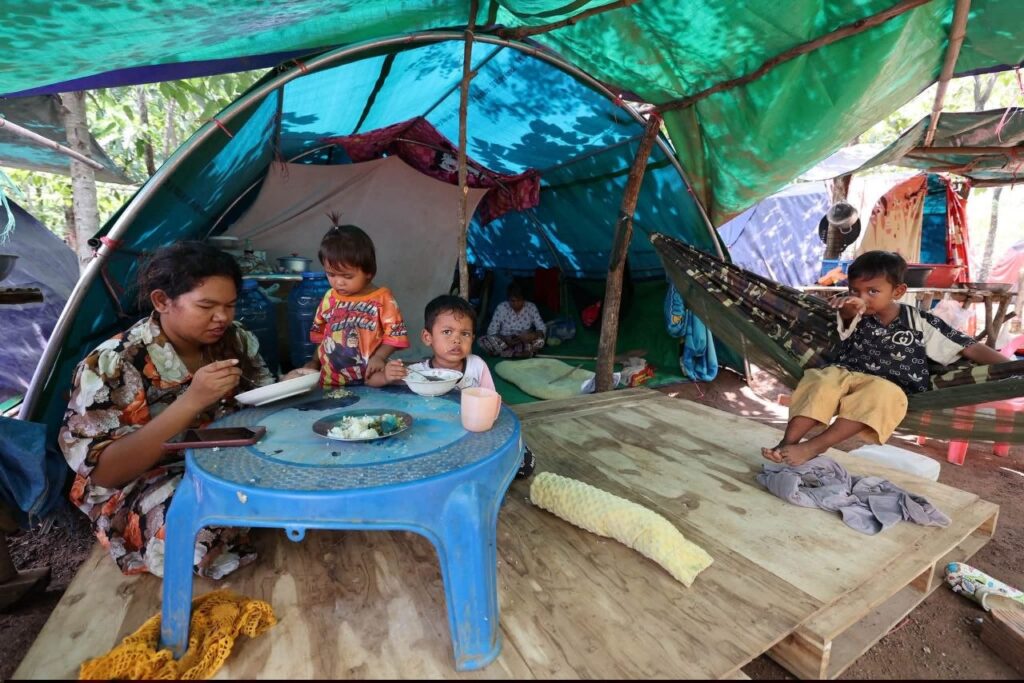
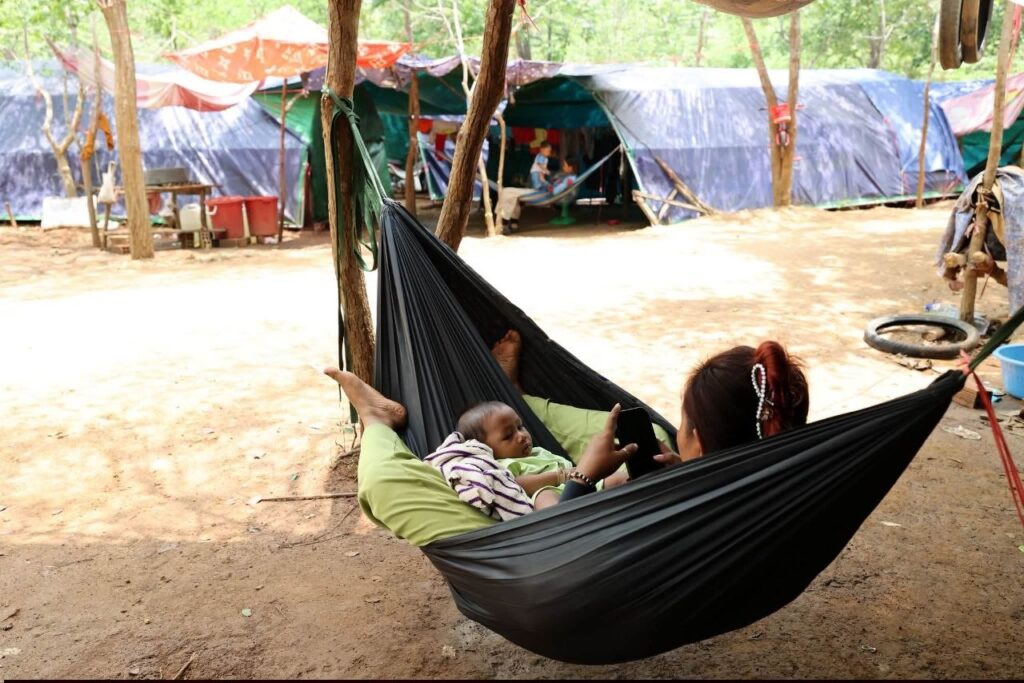
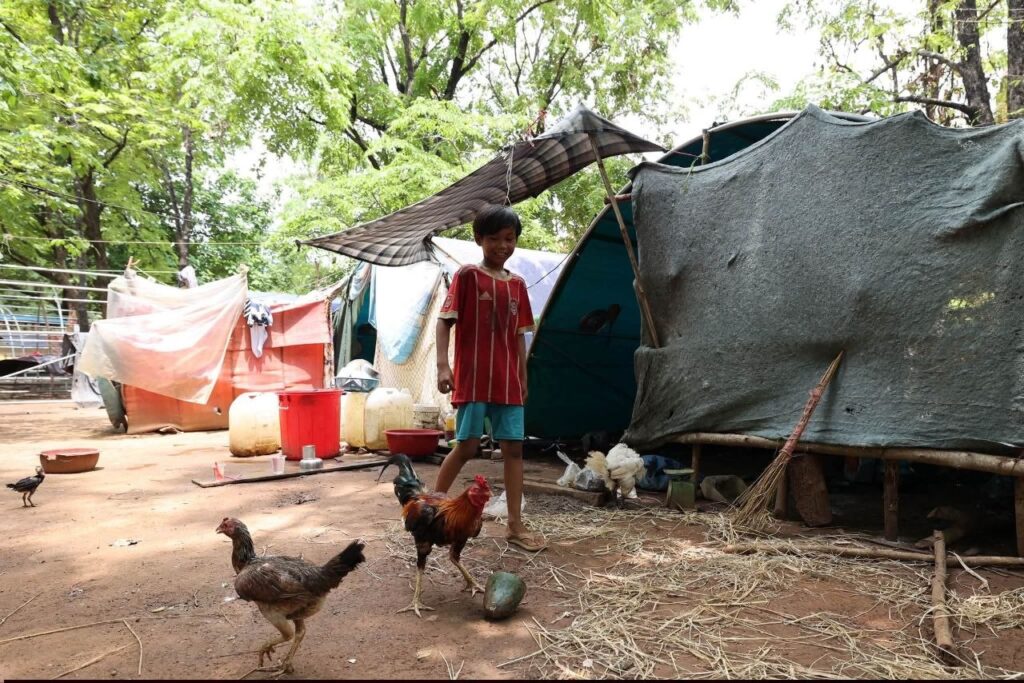
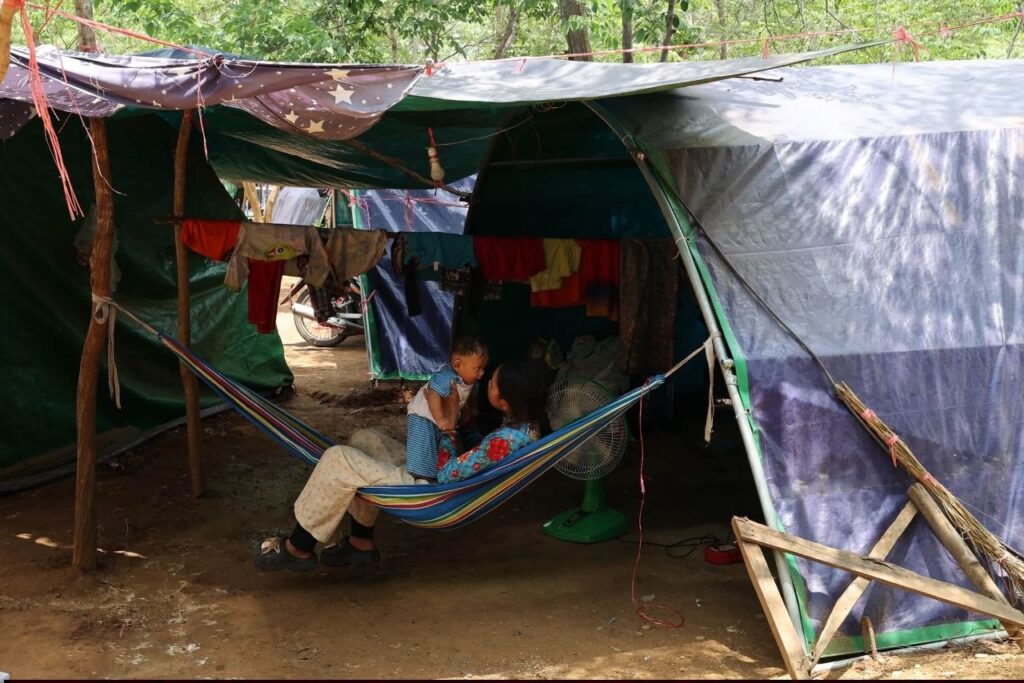
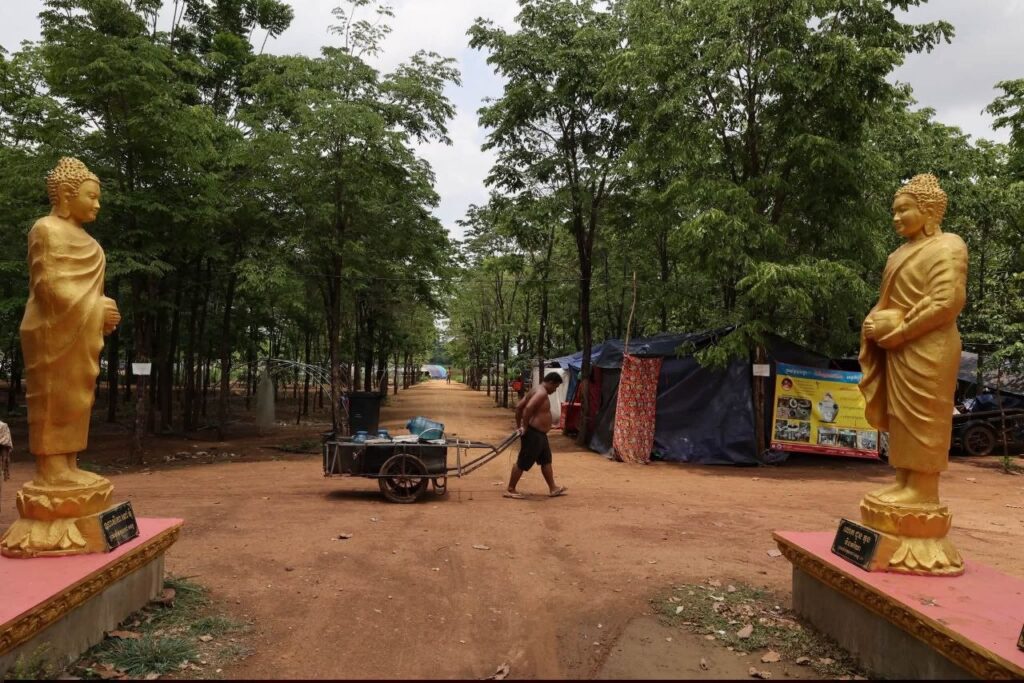
ជាង ៧ ខែបានកន្លងផុតទៅ ចាប់តាំងពីកម្ពុជា និងថៃបានឯកភាពគ្នាលើសេចក្តីប្រកាសរួមរបស់កិច្ចប្រជុំវិសាមញ្ញគណៈកម្មាធិការព្រំដែនទូទៅ (Extraordinary GBC) នៅថ្ងៃទី២៧ ខែធ្នូ ឆ្នាំ២០២៥។ សេចក្តីប្រកាសរួមនេះ មិនត្រឹមតែប្រកាសបទឈប់បាញ់ប៉ុណ្ណោះទេ ប៉ុន្តែថែមទាំងប្តេជ្ញាឱ្យជនស៊ីវិលនៅតំបន់រងផលប៉ះពាល់អាចវិលត្រឡប់ទៅកាន់ផ្ទះសម្បែងរបស់ពួកគេវិញ ដោយសុវត្ថិភាព និងមានសេចក្តីថ្លៃថ្នូរ។ ប៉ុន្តែរហូតមកដល់ពេលនេះ ប្រជាពលរដ្ឋកម្ពុជាជាង ២០,០០០ នាក់នៅតែបន្តរស់នៅក្នុងជំរំជនភៀសសឹក និងជម្រកបណ្តោះអាសន្ន ដោយមិនអាចវិលត្រឡប់ទៅផ្ទះសម្បែង និងដីធ្លីរបស់ខ្លួនបាន។ នេះបង្ហាញថា ការប្តេជ្ញាក្រោមសេចក្តីប្រកាសរួម មិនទាន់ត្រូវបានអនុវត្តពេញលេញនៅឡើយ។
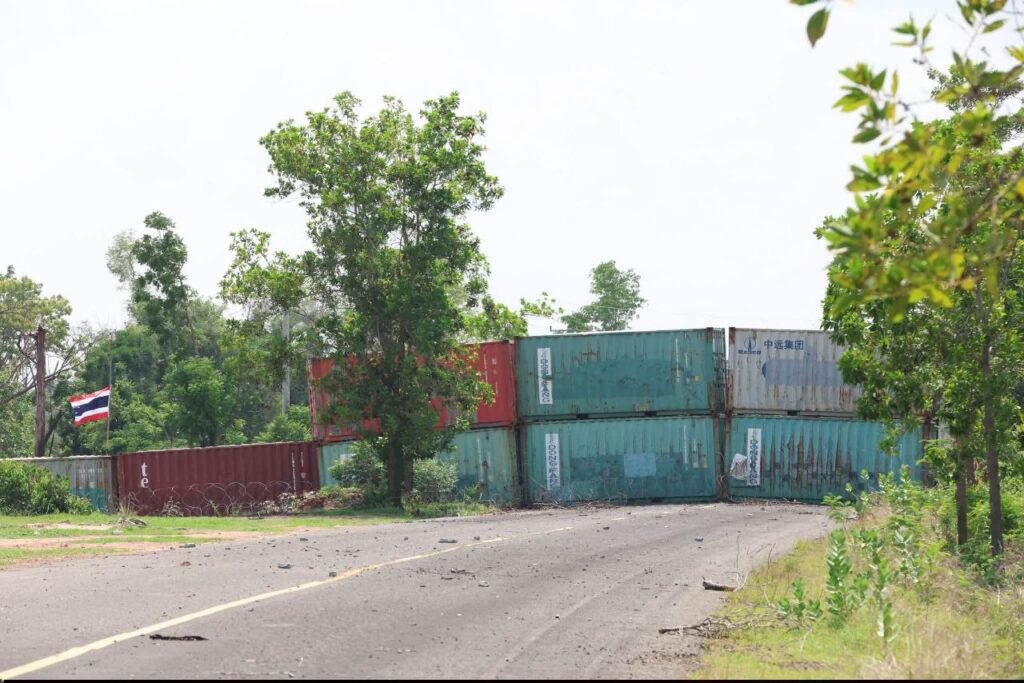
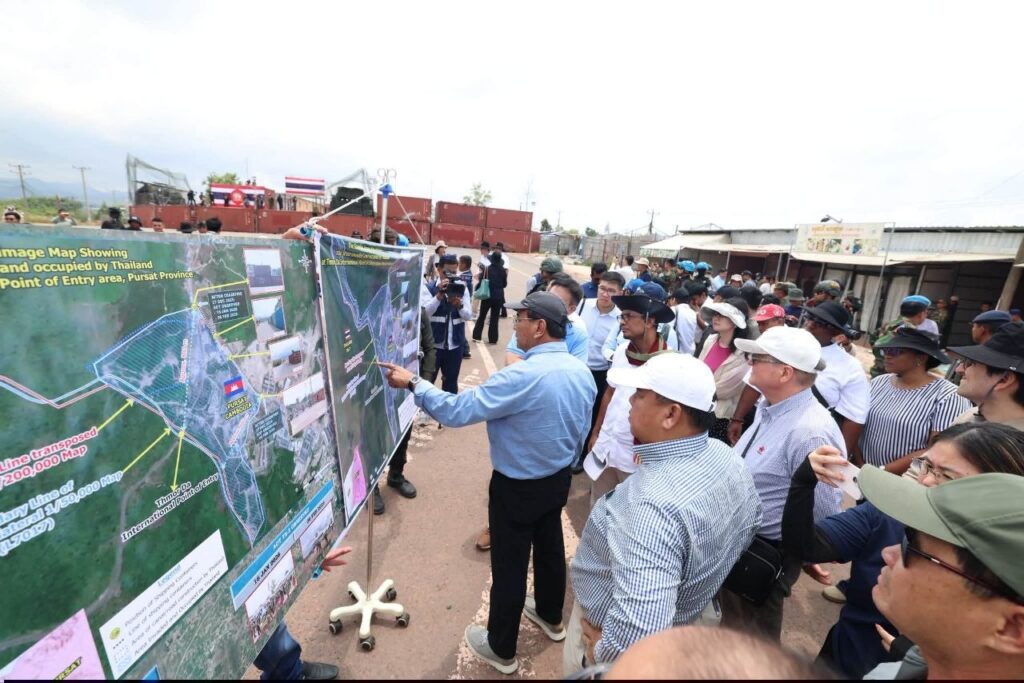
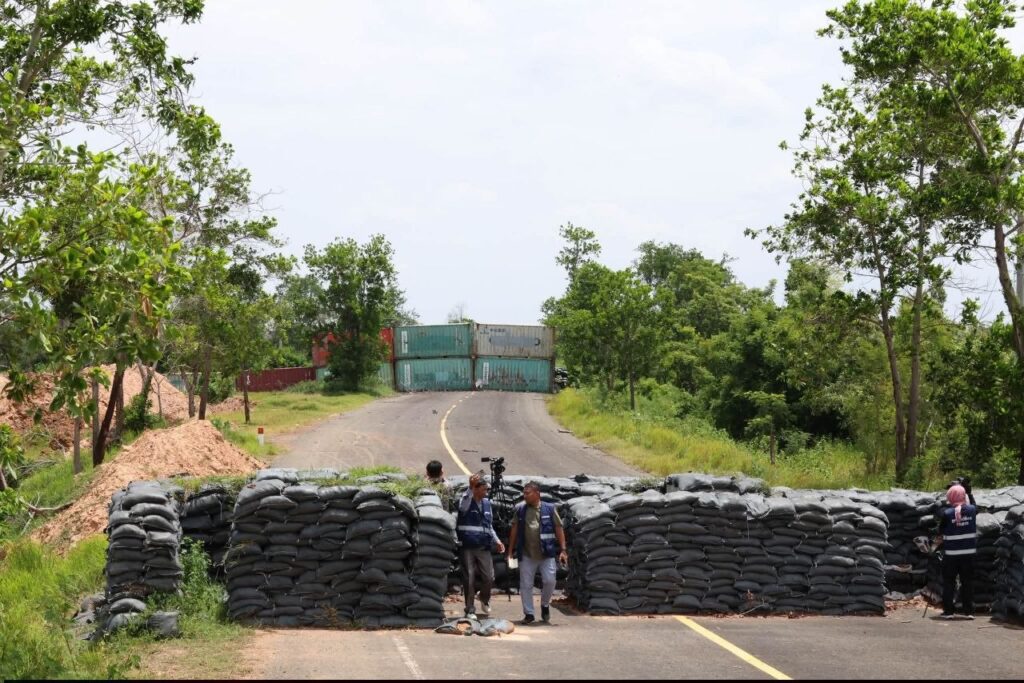
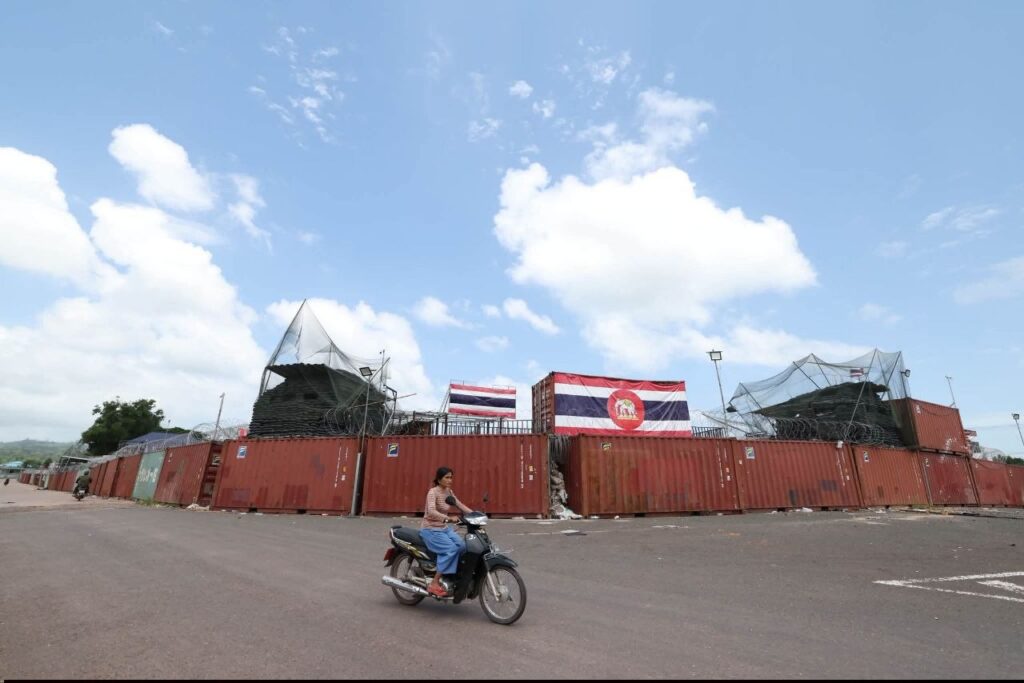
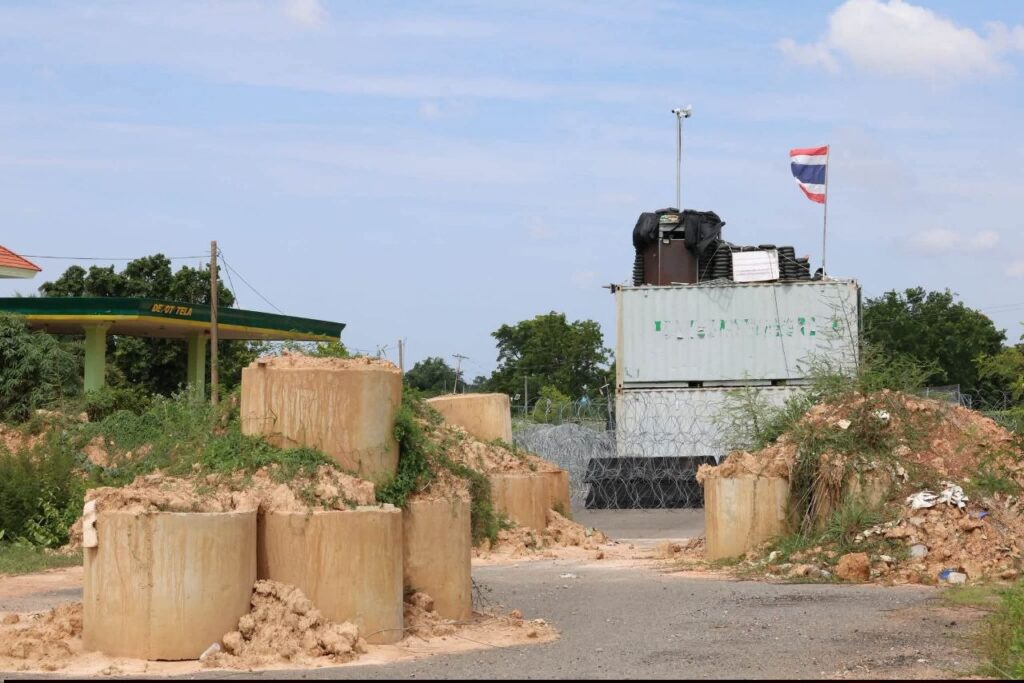
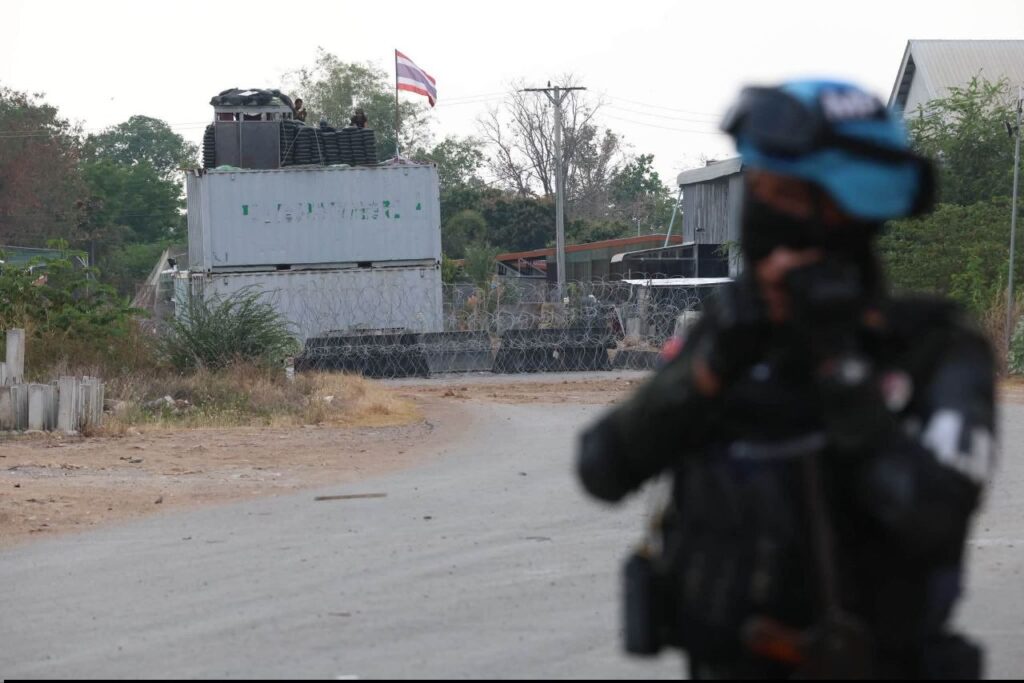
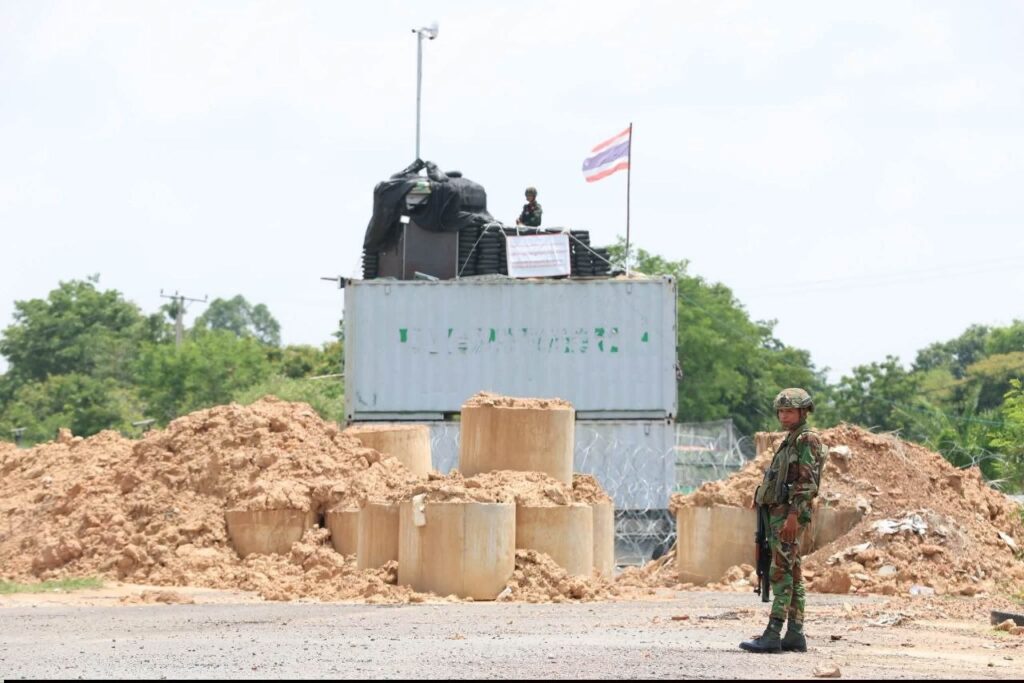
មូលហេតុគឺពិភពលោកបានឃើញច្បាស់បំផុត។ បន្ទាប់ពីការធ្វើសកម្មភាពឈ្លានពានប្រដាប់អាវុធមកលើអធិបតេយ្យភាព និងបូរណភាពទឹកដីកម្ពុជា កងទ័ពថៃនៅតែបន្តកាន់កាប់ដោយខុសច្បាប់នូវផ្នែកខ្លះនៃទឹកដីកម្ពុជា ដោយផ្អែកលើផែនទីឯកតោភាគីមាត្រា ១:៥០,០០០ ដែលមិនអាចជំនួសព្រំដែនអន្តរជាតិ ដែលបានកំណត់តាមអនុសញ្ញាឆ្នាំ១៩០៤ សន្ធិសញ្ញាឆ្នាំ១៩០៧ និងផែនទីមាត្រា ១:២០០,០០០ បានឡើយ។ នៅលើដីជាក់ស្តែង កងទ័ពថៃបានរាយលួសបន្លា ដាក់ទូកុងតឺន័របិទផ្លូវ និងរារាំងមិនឱ្យប្រជាពលរដ្ឋកម្ពុជាវិលត្រឡប់ទៅកាន់ភូមិ និងផ្ទះសម្បែងរបស់ខ្លួន។ មិនតែប៉ុណ្ណោះ ពួកគេបានកម្ទេចផ្ទះប្រជាពលរដ្ឋ បំផ្លាញហេដ្ឋារចនាសម្ព័ន្ធស៊ីវិល និងបង្កើតស្ថានភាពថ្មី (fait accompli) នៅលើទឹកដីកម្ពុជា។ សកម្មភាពទាំងនេះ ផ្ទុយដោយផ្ទាល់នឹងសេចក្តីប្រកាសរួមថ្ងៃទី២៧ ខែធ្នូ ឆ្នាំ២០២៥ ដែលតម្រូវឱ្យភាគីទាំងពីរធានាការវិលត្រឡប់របស់ជនស៊ីវិល «ដោយគ្មានការរារាំង និងដោយមានសុវត្ថិភាព និងសេចក្តីថ្លៃថ្នូរ»។
សេចក្តីប្រកាសរួមក៏បានបញ្ជាក់យ៉ាងច្បាស់ផងដែរថា ការព្រមព្រៀងទាំងអស់មិនត្រូវប៉ះពាល់ដល់ការខណ្ឌសីមាព្រំដែន និងព្រំដែនអន្តរជាតិរវាងប្រទេសទាំងពីរឡើយ ហើយបានប្រគល់ភារកិច្ចឱ្យគណៈកម្មការចម្រុះព្រំដែន (JBC) បន្តការវាស់វែង និងខណ្ឌសីមាព្រំដែនស្របតាមកិច្ចព្រមព្រៀងដែលមានស្រាប់។ នេះមានន័យថា បញ្ហាព្រំដែនត្រូវដោះស្រាយតាមច្បាប់អន្តរជាតិ និងយន្តការរួម មិនមែនតាមរយៈការប្រើប្រាស់កម្លាំង ឬការបង្កើតស្ថានភាពថ្មីនៅលើដីនោះទេ។
ដូច្នេះ ថៃត្រូវអនុវត្តដោយស្មោះត្រង់នូវសេចក្តីប្រកាសរួមដែលខ្លួនបានចុះហត្ថលេខា ដកការកាន់កាប់ដោយខុសច្បាប់ចេញពីទឹកដីកម្ពុជា បញ្ឈប់ការរារាំងការវិលត្រឡប់របស់ជនស៊ីវិល និងសហការជាមួយគណៈកម្មការចម្រុះព្រំដែន ដើម្បីស្តារស្ថានភាពស្របច្បាប់ និងធានាឱ្យប្រជាពលរដ្ឋកម្ពុជាអាចវិលត្រឡប់ទៅផ្ទះសម្បែងរបស់ពួកគេវិញ។ សន្តិភាពពិតប្រាកដ មិនត្រូវវាស់ដោយការបញ្ឈប់ការបាញ់ប៉ុណ្ណោះទេ។ សន្តិភាពត្រូវវាស់ដោយថ្ងៃដែលប្រជាពលរដ្ឋកម្ពុជាជាង ២០,០០០ នាក់ អាចវិលត្រឡប់ទៅកាន់ផ្ទះសម្បែង និងដីធ្លីរបស់ខ្លួនវិញដោយសុវត្ថិភាព ស្ម័គ្រចិត្ត និងមានសេចក្តីថ្លៃថ្នូរ។ ដរាបណាវាមិនទាន់កើតឡើង សេចក្តីប្រកាសរួមថ្ងៃទី២៧ ខែធ្នូ ឆ្នាំ២០២៥ ក៏នៅតែមិនទាន់ត្រូវបានអនុវត្តពេញលេញដែរ។ អ្នករាយការណ៍ពិសេសរបស់អង្គការសហប្រជាជាតិស្តីពីសិទ្ធិមនុស្ស និងឯកអគ្គរដ្ឋទូតចិន បានលើកឡើងថាពលរដ្ឋខ្មែរទាំងនេះត្រូវតែអាចវិលត្រឡប់ទៅផ្ទះរបស់ខ្លួនបាន ស្របតាមច្បាប់អន្តរជាតិ។
More Than Seven Months After the Ceasefire: Why Are More Than 20,000 Cambodian Civilians Still Unable to Return Home?
More than seven months have passed since Cambodia and Thailand adopted the Joint Statement of the Extraordinary General Border Committee (GBC) on 27 December 2025. The Joint Statement did more than announce a ceasefire; it committed both governments to ensuring that civilians affected by the conflict could return to their homes safely, voluntarily, and with dignity.
Yet, more than seven months later, over 20,000 Cambodian civilians remain displaced, continuing to live in temporary shelters and displacement camps, unable to return to their homes and farmland. This demonstrates that the commitments made under the Joint Statement have yet to be fully implemented.
The reason is clear and the world aready known. Following Thailand’s armed incursion into Cambodia’s sovereign territory, Thai military forces continue to occupy parts of Cambodian territory unlawfully, relying on their unilateral 1:50,000 map, which cannot supersede the internationally recognized boundary established under the 1904 Convention, the 1907 Treaty, and the 1:200,000 Franco-Siamese boundary maps.
On the ground, Thai forces have erected barbed wire, placed shipping containers to block access roads, and prevented Cambodian civilians from returning to their villages and homes. Moreover, they have destroyed civilian houses, damaged Cambodian civilian infrastructure, and created new faits accomplis on Cambodian territory. These actions directly contradict the Joint Statement of 27 December 2025, under which both parties agreed to facilitate the return of affected civilians “as soon as possible, without obstruction, and in safety and dignity.”
The Joint Statement also makes it unequivocally clear that none of its provisions shall prejudice the delimitation and demarcation of the international boundary between the two countries. Instead, both governments entrusted the Joint Boundary Commission (JBC) with continuing boundary demarcation in accordance with the existing bilateral agreements, giving the highest priority to areas inhabited by civilians. This reflects a shared commitment that boundary issues must be resolved through international law and established bilateral mechanisms—not through the use of force or the creation of new facts on the ground.
Thailand should therefore faithfully implement the commitments it voluntarily undertook by withdrawing from the Cambodian territory it continues to occupy unlawfully, removing all obstacles preventing the return of displaced civilians, and cooperating fully with the Joint Boundary Commission to restore the lawful status quo and enable Cambodian civilians to return home.
True peace cannot be measured merely by the silence of the guns. It must be measured by the day when more than 20,000 displaced Cambodian civilians can finally return to their homes and land safely, voluntarily, and with dignity. Until that happens, the commitments embodied in the Joint Statement of 27 December 2025 remain unfulfilled.
The United Nations Special Rapporteur on the situation of human rights in Cambodia and the Ambassador of the People’s Republic of China to Cambodia have both emphasized that these displaced Cambodian civilians must be able to return to their homes in accordance with international law. Their calls reinforce a simple but fundamental principle: peace is not complete until civilians are able to go home.
ប្រភព ក្រសួងការពារជាតិ

